A few years ago, I was on a live coding show with Jason. The idea was to build a small code editor while talking about WebContainers, the kind of technology that makes you stop for a second and think, “this is actually really cool.”
At some point, the conversation drifted away from the tech itself and into something else: learning, side projects, and why some things make you want to keep going while others feel heavy almost immediately.
Somewhere in the middle of that, I said something without really planning to:
Fun is the key.
It wasn’t planned. It wasn’t something I had prepared. It just came out naturally.
But looking back, that sentence captured something I had already been practicing for a long time, even before I had the words for it.
The Realization
At the time, that moment didn’t feel especially important. It was just a sentence in the middle of a live session, something I said and then moved on from.
But later, I kept coming back to it. Not because it sounded clever, but because it felt true.
Once I started paying attention, I noticed a pattern in my own work and life. The things I improved at the most, the things I stayed with, and the things I felt genuinely proud of usually had one thing in common: they were fun.
Not necessarily easy and not always exciting all the time but interesting, challenging, or meaningful enough to make me want to come back.
And the opposite was also true. Whenever something felt boring, or just thinking about it already brought a bad feeling, progress got slower. Sometimes it stopped completely.
That’s when the phrase stopped being just something I had said and started becoming something I actually believed.
We’re Doing It Wrong
I think there’s a default way a lot of us learn to approach work and life: optimize for output.
We chase productivity, efficiency, results. We try to remove friction, avoid distractions, and get things done as fast as possible. And to be fair, on paper, that sounds right. It sounds mature. Responsible, even.
But somewhere in that process, the experience of doing the thing can quietly fade into the background.
When everything becomes about finishing, almost nothing is left about enjoying the process and that completely changes how work feels. Things start to get heavier, tasks begin to require more energy than they should, motivation stops being something natural and starts feeling like something you need to force.
That’s usually when discipline takes over. And discipline matters.
I’m not against it but discipline by itself is expensive. If obligation is the only thing carrying you forward, then progress becomes fragile. You can even keep going for a while, but you’re always closer to stopping than you think.
This is the part I always come back to:
Not everything that is productive is sustainable, and not everything that is efficient is enjoyable.
And if there’s no room for fun in what you do, sooner or later, you pay for it.
The Shift
At some point, I stopped asking:
How do I get this done?
And started asking:
How can I make this fun?
It sounds like a small change and maybe even a naive one but it shifts how you relate to work itself. You stop seeing tasks as things to complete and start seeing them as things you can shape. It’s a completely different posture.
Sometimes the answer is simple: turn it into a small challenge, try a different approach, or make it look better even if nobody asked for it. Other times, it means rethinking everything but the point is that you stop being passive in the process. You start actively designing the experience of what you’re doing.
And once you start doing that, the work starts to feel different.
Real Examples
This idea only became real for me when I looked at the things I kept returning to.
React95
I built a Windows 95 UI for React. No one asked for it. It wasn’t part of a roadmap, and it didn’t solve a business problem. I built it because it made me smile.
And because it was fun, I stayed with it. I cared about the details, explored edge cases, and shared it with people and somewhere in the middle of that, I was also learning design systems, component architecture, packaging, and developer experience.
What started as a playful side project ended up shaping a big part of my career.
Watches
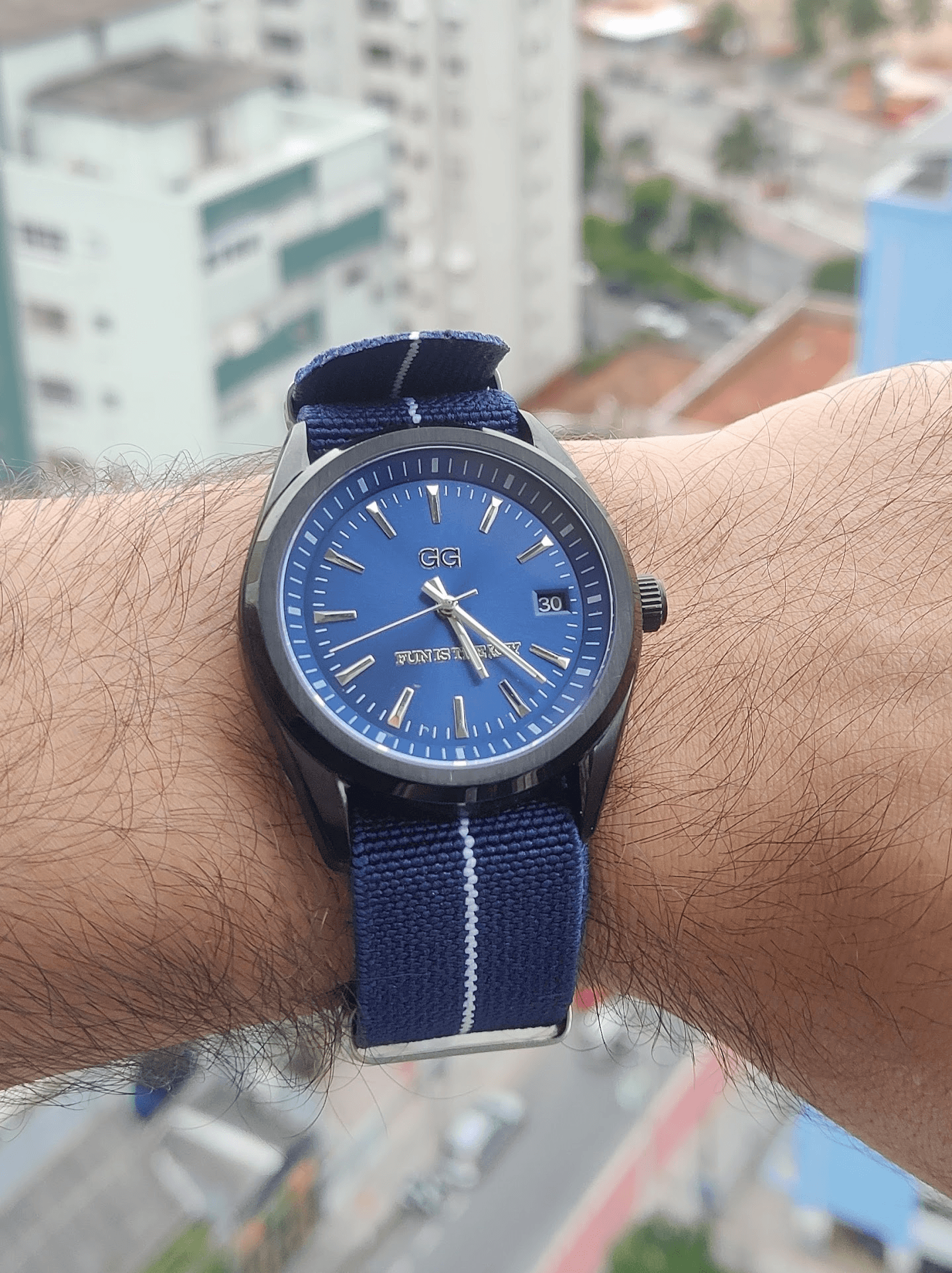
I also customize watches with my own identity: my logo, “GG”, and the phrase “Fun is the Key.”
On the surface, that’s a completely different kind of hobby but the instinct behind it feels the same. It’s not just about the object. It’s about taking something standard and making it personal, turning it into something I feel connected to every time I look at it.
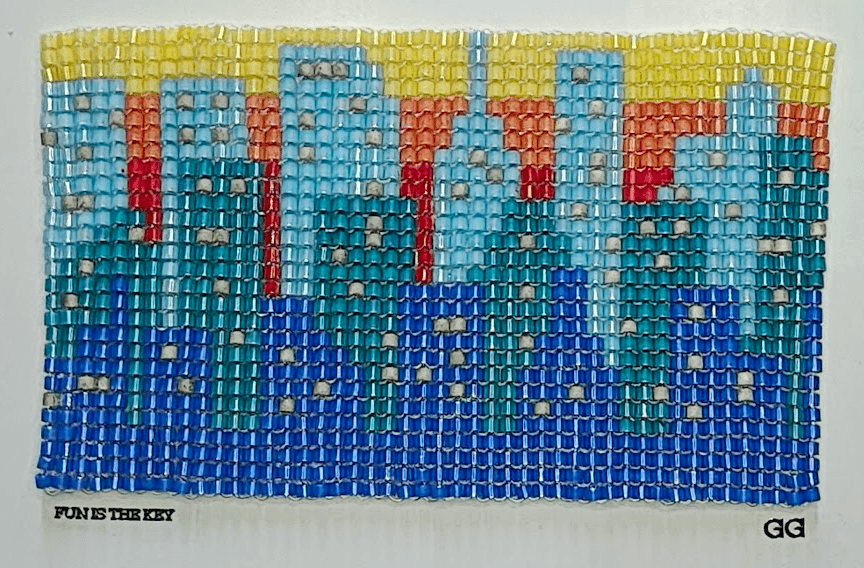
Pixel art with beads
The same thing happens with pixel art and beads. It can look repetitive but when curiosity enters the scene, repetition changes meaning. You’re not just placing pieces together, you’re turning pixel art into something physical, and that changes the whole experience.
Different domains, same pattern
If it’s fun, I go deeper. And if I go deeper, I get better.
Fun as Fuel
Fun changes the equation.
When something is fun, you start faster, stay with it longer, go deeper, and care more about what you’re making.
You don’t have to rely on discipline alone, because momentum starts building on its own, and over time that consistency compounds.
That’s why I don’t see fun as a distraction.
It’s fuel.
The Hard Truth
Not everything will be fun. There are boring parts, repetitive tasks, and things you simply have to do.
React95 is a good example of that. It didn’t come from a free, inspired afternoon. It came from a real problem: the company I worked for needed a design system, and I had no idea how to build one.
I could have treated that as a difficult task, and honestly, it was. But instead of forcing myself to learn in the most direct and efficient way possible, I asked: how can I make this fun?
The answer was a Windows 95 interface. Ridiculous? Maybe. But it was what made me want to research, experiment, and truly understand how all of it worked.
The problem didn’t disappear. The effort didn’t get smaller. What changed was my relationship with it.
Fun isn’t about avoiding effort. It’s about changing your relationship with it.
Closing
So instead of asking:
Is this productive?
Is this efficient?
Try asking:
Where’s the fun in this?
And if there isn’t any:
How can I add it?
Because in the end, the things you stick with…
The things you get good at…
The things you actually enjoy doing…
They all have something in common.
Fun is the key.